
Why Fiber Optic Gyroscope (FOG) IMUs Are Game-Changers for Gimbal Applications?
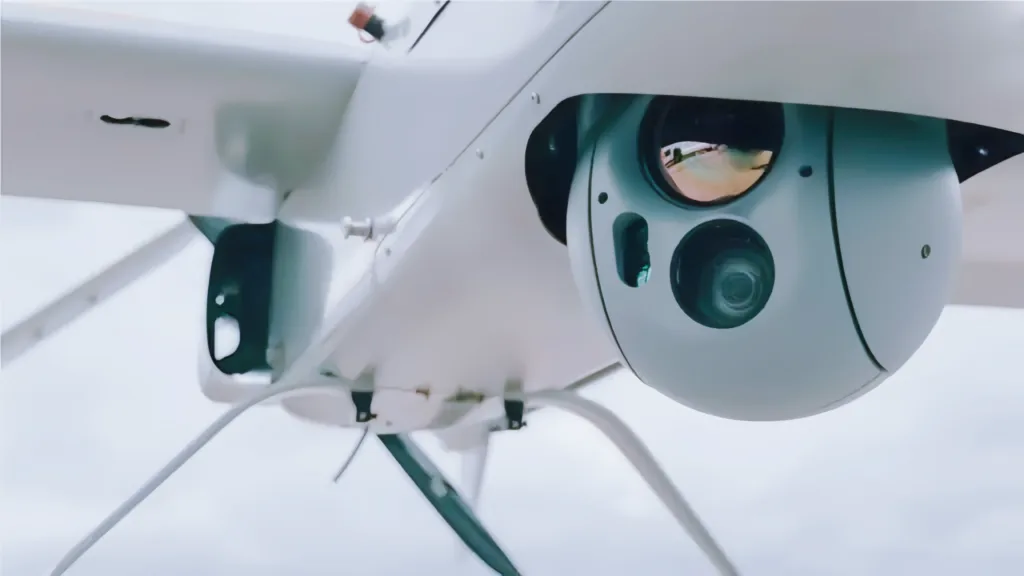
Gun-hard MEMS IMU is engineered to survive more than 10,000g shocks while maintaining high bias stability, making them ideal for precision guidance in rockets, glide bombs, and artillery shells. These sensors combine advanced shock-dampening materials, AI-driven thermal compensation, and triple-redundant accelerometer arrays to outperform traditional MEMS IMUS.
How Can INS Solutions Overcome Navigation Challenges in Complex Environments?
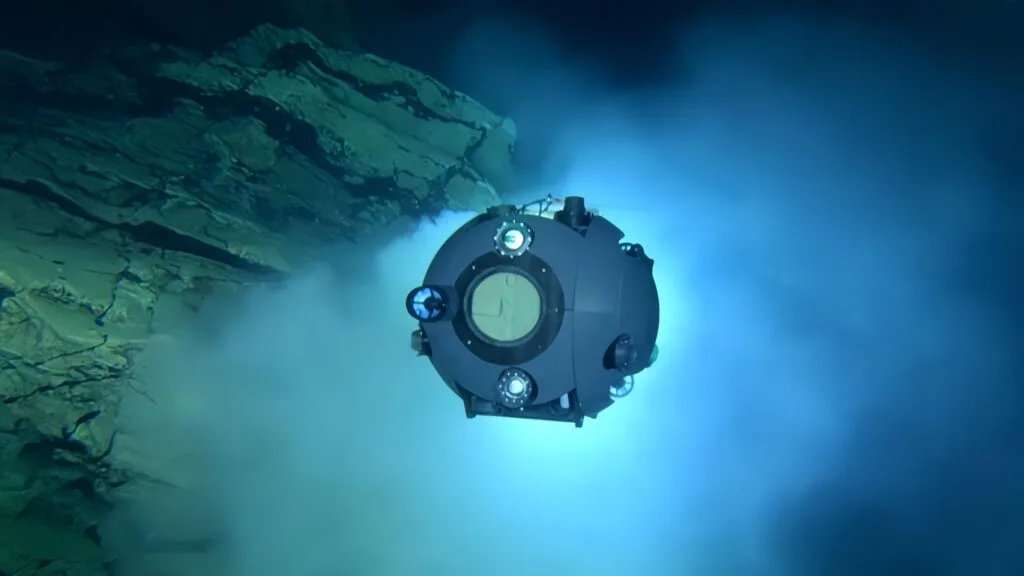
Gun-hard MEMS IMU is engineered to survive more than 10,000g shocks while maintaining high bias stability, making them ideal for precision guidance in rockets, glide bombs, and artillery shells. These sensors combine advanced shock-dampening materials, AI-driven thermal compensation, and triple-redundant accelerometer arrays to outperform traditional MEMS IMUS.
What Is the Difference Between an IMU and an INS?

Gun-hard MEMS IMU is engineered to survive more than 10,000g shocks while maintaining high bias stability, making them ideal for precision guidance in rockets, glide bombs, and artillery shells. These sensors combine advanced shock-dampening materials, AI-driven thermal compensation, and triple-redundant accelerometer arrays to outperform traditional MEMS IMUS.
What Is An Inertial Navigation Systems (INS)?
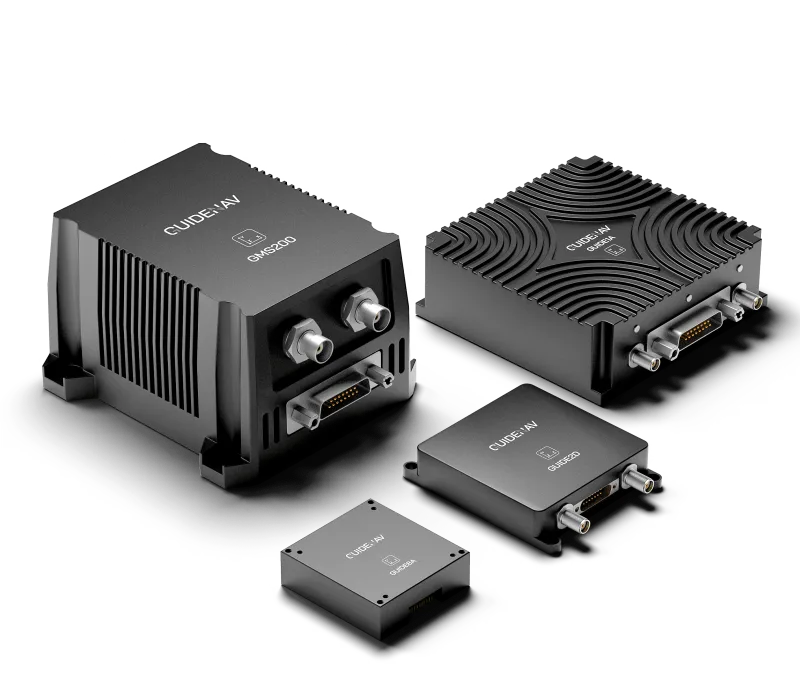
Gun-hard MEMS IMU is engineered to survive more than 10,000g shocks while maintaining high bias stability, making them ideal for precision guidance in rockets, glide bombs, and artillery shells. These sensors combine advanced shock-dampening materials, AI-driven thermal compensation, and triple-redundant accelerometer arrays to outperform traditional MEMS IMUS.
What Are the Key Strengths and Limitations of the LN-200 FOG IMU?
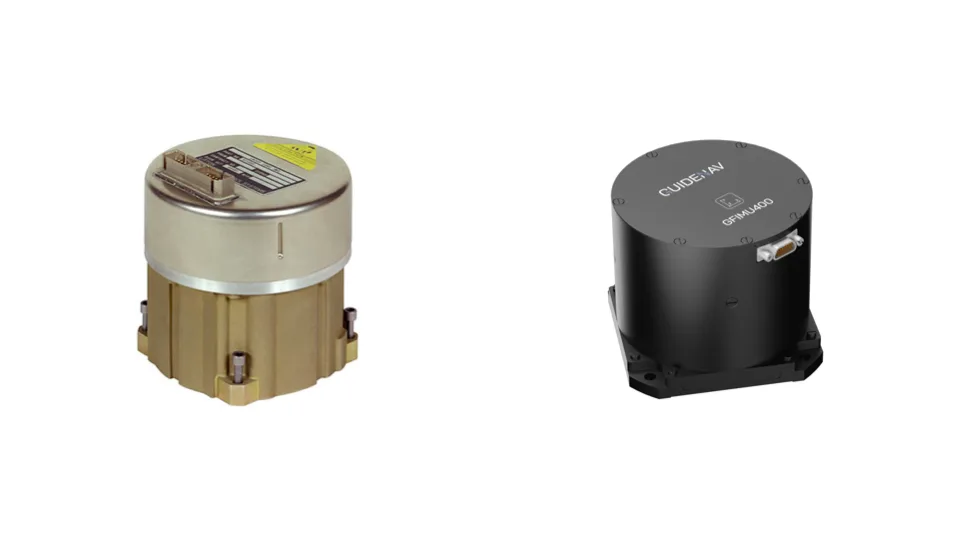
The ADIS16488 is a high-performance MEMS IMU designed for precision measurement in harsh environments. It has a bias instability of 6.25 degrees per hour for gyroscopes. While it excels in stability and ruggedness, its high cost and availability issues could be drawbacks.
What Are the Key Strengths and Limitations of the STIM300 MEMS IMU?
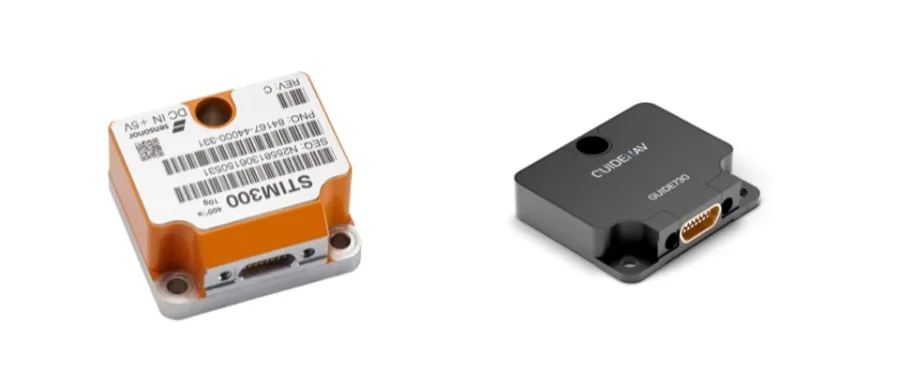
The ADIS16488 is a high-performance MEMS IMU designed for precision measurement in harsh environments. It has a bias instability of 6.25 degrees per hour for gyroscopes. While it excels in stability and ruggedness, its high cost and availability issues could be drawbacks.
MEMS vs FOG: Which is Best for Your Application?

The price range for Inertial Measurement Units (IMUs) depends on the technology used and the level of accuracy. Basic MEMS IMUs typically range from $20 to $1,000. Higher-precision MEMS IMUs range from …..
Top 10 MEMS Inertial Measurement Unit (IMU) Suppliers in 2025

Discover the top 10 fiber optic gyroscope manufacturers in 2025, including industry giants and lesser-known yet high-quality brands. Find out which companies offer precision, cost-effective solutions, and ITAR-free products for your aerospace, defense, or industrial needs. Explore expert insights and comparisons now!
What is the Price of Fiber Optic Gyroscopes (FOGs)?

The price range for Inertial Measurement Units (IMUs) depends on the technology used and the level of accuracy. Basic MEMS IMUs typically range from $20 to $1,000. Higher-precision MEMS IMUs range from …..
How to Select Gun-Hard MEMS IMUs for High-G Defense Systems?
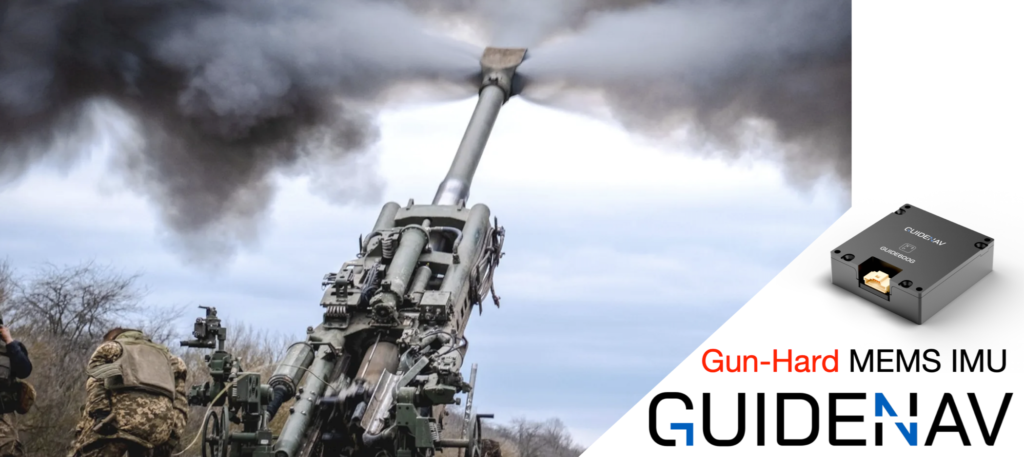
Gun-hard MEMS IMU is engineered to survive more than 10,000g shocks while maintaining high bias stability, making them ideal for precision guidance in rockets, glide bombs, and artillery shells. These sensors combine advanced shock-dampening materials, AI-driven thermal compensation, and triple-redundant accelerometer arrays to outperform traditional MEMS IMUS.
